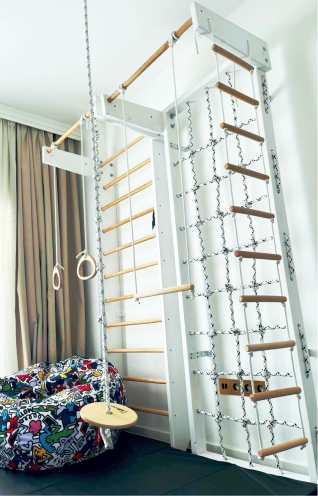
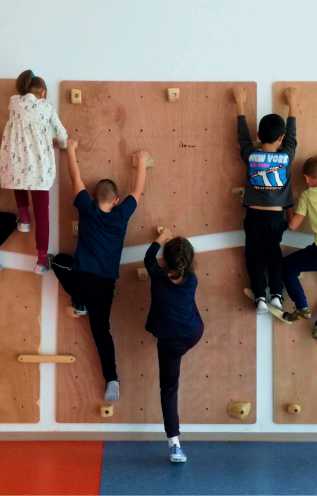


Why is the Swedish wall Swedish and what are the “Swedish exercises”?


A brief history of a Swedish wall
At the beginning of the 19th century, gymnastics did not mean what we understand today, but rather “physical education”. And even then, people began to realize the need for good physical training for both soldiers and civilians. In Sweden, however, they not only paid attention to the general condition of the body, but also to the proper development of adolescents. It was then that Johan Guts Muts (sometimes called “the father of modern gymnastics”) took a different approach to training adolescents. He built a tall wooden ladder for climbing outdoors. Some of the boys simply climbed it, while others used it as a device on which they did various exercises.
Frederick Ludwig Jahn, a young follower of Guts, wanted to develop strong and healthy men for his native Prussia. He built a ladder similar to Guts’s and developed exercises for it. In the following years, the trend continued, with large ladders starting to be reduced in size and attached to walls to provide indoor training.
In competition with Guts and Jan, Per Henrik Ling, a Swedish athlete, launched a campaign to improve the physical fitness of the population. Ling, who suffered from arthritis, took up fencing and found that his pain was reduced as a result of the sport. This inspired him to begin studying anatomy and physiology. His goal was to develop the human body and spirit.
In the early 19th century, when Napoleon Bonaparte conquered parts of the Swedish Empire, the King of Sweden supported Ling and commissioned him to establish an institute for the nation’s physical training. Ling founded the Royal Gymnastic Center, where he developed a system of exercises known today as the “Swedish System.”
Ling invented the Swedish wall and a number of other devices that later grew into the equipment without which gymnastics would not be the same today.
The Swedish walls were used by the US Army after World War II.
For a while, the device was forgotten, but in recent years it has begun to take its place in the lives of exercisers again.
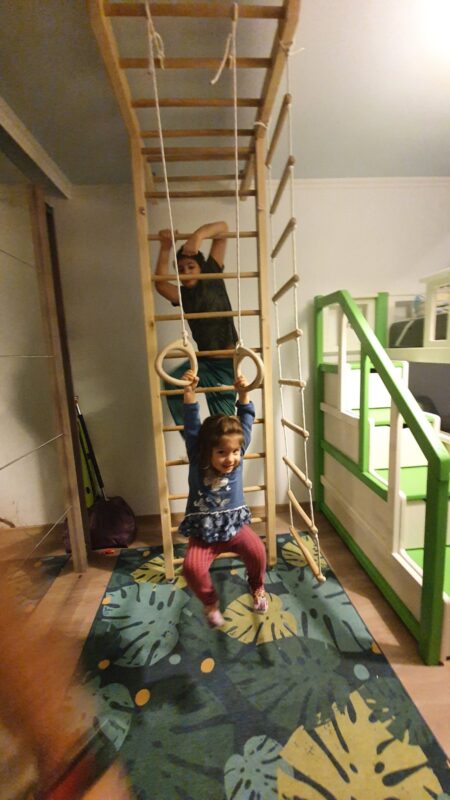
Today, the Swedish wall is used for various types of exercises – pull-ups, leg raises, and numerous acrobatic tricks.


Vertical leg raise
Hold onto the same step of the wall with both hands and hang with your back to the wall. Tighten your abs and lift your legs up. The more your legs are stretched out, the more strain your abs will bear.
The role of the Swedish wall here is to keep your body still (something that is difficult to achieve with a barbell) and isolate the back muscles.
Front and rear support
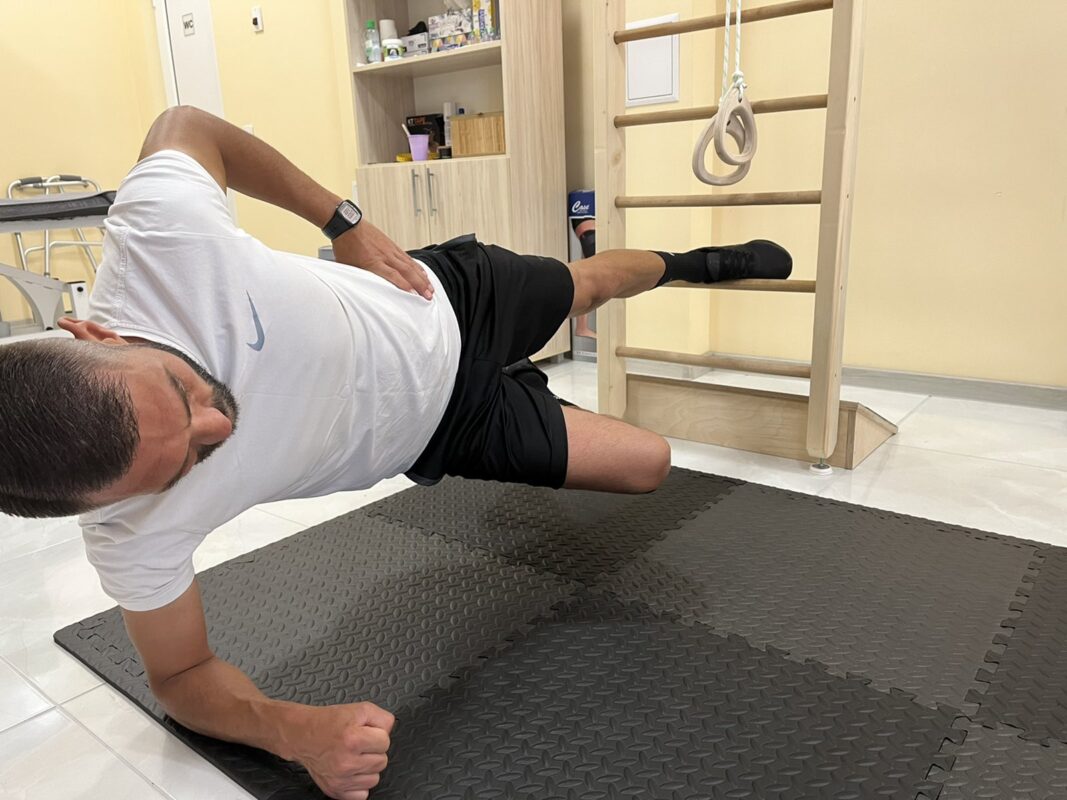
The support is an exercise in which the entire weight of the body falls on the shoulders and abdominal muscles. The execution is more than simple, but with very wide application (see Clips 1 and 2).
Flag
The flag is an exercise in which your body is horizontal and parallel to the floor. Grab onto various ladders on the wall, with your grip at shoulder level.
Grab the upper rung with one hand and stabilize your body with the other. A lot of tension also falls on the abdominal muscles, which keep the body in a stationary position. The exercise is not suitable for beginners and is difficult to master all at once. (see Clip 3).
The Swedish wall is a great way to diversify your workout day or try something new. It’s an ideal device for building a better sense of body balance during workouts, or if nothing else – an hour spent with friends, training in a different way.